


Menu
Community Engagement
The Care Coordination Health Home program is a Medicaid-funded care coordination model designed to support individuals with complex medical, behavioral health, and social service needs. The goal of the program is to improve health outcomes, reduce unnecessary hospitalizations, and ensure members are connected to the full range of services they need to live safely and independently in the community.
Health Home Care Coordination is built around six core services:
1. Comprehensive Care Management – Ongoing assessment of a member’s medical, behavioral health, and social needs, along with the development and monitoring of a person-centered care plan.
2. Care Coordination and Health Promotion – Coordination of appointments, follow-up after hospital or emergency room visits, medication support, and education to help members manage chronic conditions.
3. Comprehensive Transitional Care – Support during transitions between settings such as hospital to home, shelter to housing, or release from inpatient or residential care.
4. Individual and Family Support – Education, advocacy, and engagement of members and their support systems to ensure they are active participants in their care.
5. Referral to Community and Social Support Services – Connection to housing, food assistance, benefits, transportation, employment supports, and other critical social services.
6. Health Information Technology (HIT) and Care Team Communication – Use of secure systems to share information and ensure all providers involved in a member’s care are aligned.
The Health Home program serves Medicaid-eligible individuals who have two or more chronic medical conditions, one serious mental illness, or HIV/AIDS. Many of the members served are also impacted by substance use disorders, homelessness, justice involvement, frequent hospitalizations, and other social determinants of health that increase health risks.
Within the Health Home model, some members may also qualify for Health Home Plus (HH+), which provides enhanced care coordination for individuals with serious mental illness who are at high risk for hospitalization, incarceration, or homelessness.
Overall, the Health Home Care Coordination Program is designed to meet people where they are, reduce gaps in care, and address both clinical and social needs in a coordinated, person-centered way.
ENGAGE provides free, accessible, and culturally responsive short-term services to adults experiencing mild to moderate symptoms of depression, anxiety, post-traumatic stress disorder (PTSD), substance use challenges, and financial stressors. Services are available to individuals within Comunilife programs as well as adults in the broader community and offered in English, Spanish and French. There is no insurance needed to participate in ENGAGE services.
ENGAGE offers the following services:
• Interpersonal Counseling (IPC):
A brief, four-session model in which a Community Wellness Specialist works collaboratively with clients to identify a primary interpersonal stressor. Sessions focus on developing practical strategies and skills to manage symptoms, strengthen coping, and improve functioning related to the identified stressor.
• Safety Planning Intervention (SPI):
A single-session, evidence-based intervention in which the Community Wellness Specialist collaborates with the client to create a personalized safety plan. The plan serves as a step-by-step guide to help clients manage distress, reduce risk, and access support during times of crisis.
• SBIRT/MI (Screening, Brief Intervention, and Referral to Treatment / Motivational Interviewing):
A single-session intervention for clients engaging in risky substance use or at risk of developing substance-related concerns. This service supports clients in exploring motivations for change, engaging in change talk, setting goals related to substance use, and accessing treatment or community resources when appropriate.
• Financial Wellness Support:
ENGAGE provides short-term support for clients experiencing financial stressors by exploring contributing factors and assisting in the development of an individualized action plan to support financial goals. Clients are also referred to the Financial Empowerment Center, which offers free, one-on-one professional financial counseling and coaching to help individuals achieve greater financial stability.
In addition, ENGAGE provides assistance with resources and referral support to connect clients to appropriate services when they are not eligible for ENGAGE services or when longer-term or more intensive support is needed. This ensures continuity of care and access to resources that best meet each client’s needs.
ENGAGE is designed to provide timely, strength-based support that reduces barriers to care and empowers clients to address immediate challenges while building skills for long-term well-being.
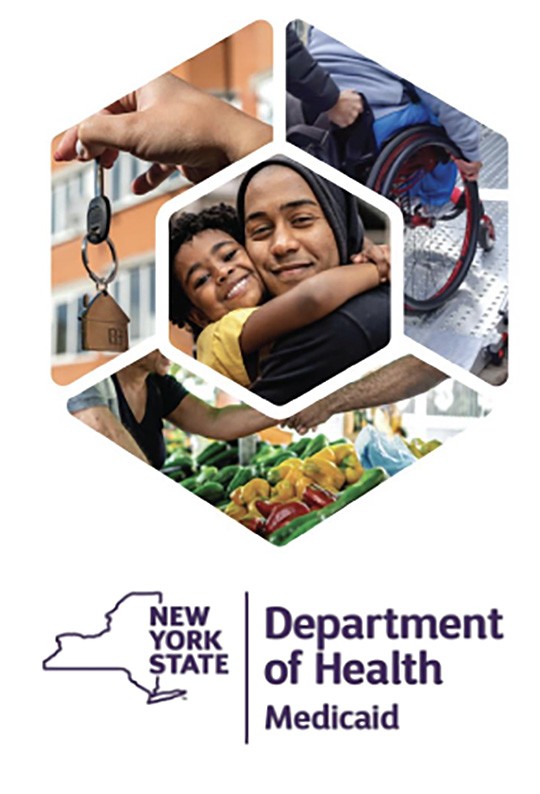
New York’s Social Care Network (SCN) is a statewide program created to help people live healthier lives by supporting their everyday needs—not just medical care. Things like having a safe place to live, enough food to eat, transportation, and emotional support all play a big role in our health. That’s where Comunilife comes in. As a trusted community partner, Comunilife provides housing and behavioral health services that help Medicaid members feel safe, supported, and stable.
Who Can Get Help?
The SCN program is for New York State Medicaid members. Support is based on each person’s needs.
All Medicaid Members
Everyone with New York State Medicaid can receive:
• A yearly check-in to see what social needs may be affecting their health
• Help connecting to community resources like food assistance, childcare, and other local programs
Extra Support for Those Who Need It Most
Many Medicaid Managed Care members may qualify for Enhanced Services if they are facing more serious challenges, such as:
• Being homeless or at risk of being evicted
• Living with mental health or substance use challenges
• Recently leaving a hospital, nursing home, or jail/prison
• Being pregnant or recently having given birth
How the Program Helps
The Social Care Network offers two levels of support:
Navigation & Connection
A Social Care Navigator works with members to:
• Talk through their needs
• Help apply for benefits and programs
• Connect them to trusted community services
You don’t have to figure it out alone—someone walks alongside you.
Enhanced Services (Through Partners Like Comunilife)
If someone qualifies for enhanced support, they may receive short-term help (usually up to 6 months) such as:
Housing Help
• Support finding safe and stable housing
• Help making homes safer, like adding ramps, grab bars, or mold remediation
Food & Nutrition Support
• Home-delivered meals designed for medical needs
• Fresh fruits and vegetables
• Help getting basic kitchen items like a refrigerator
Transportation Help
• Transportation support for important appointments i.e. housing appointments, job training, or other essential services
Medical Respite Care
Through Comunilife’s Medical Respite Program, people leaving the hospital without a safe place to go can stay in short-term housing while they heal and get medical support.
Youth & Mental Health Support
Comunilife also offers Life is Precious, a program for Latina teens who may be struggling. It focuses on wellness, emotional support, and suicide prevention in a caring and culturally supportive environment.